
Year in the Bible Week 28
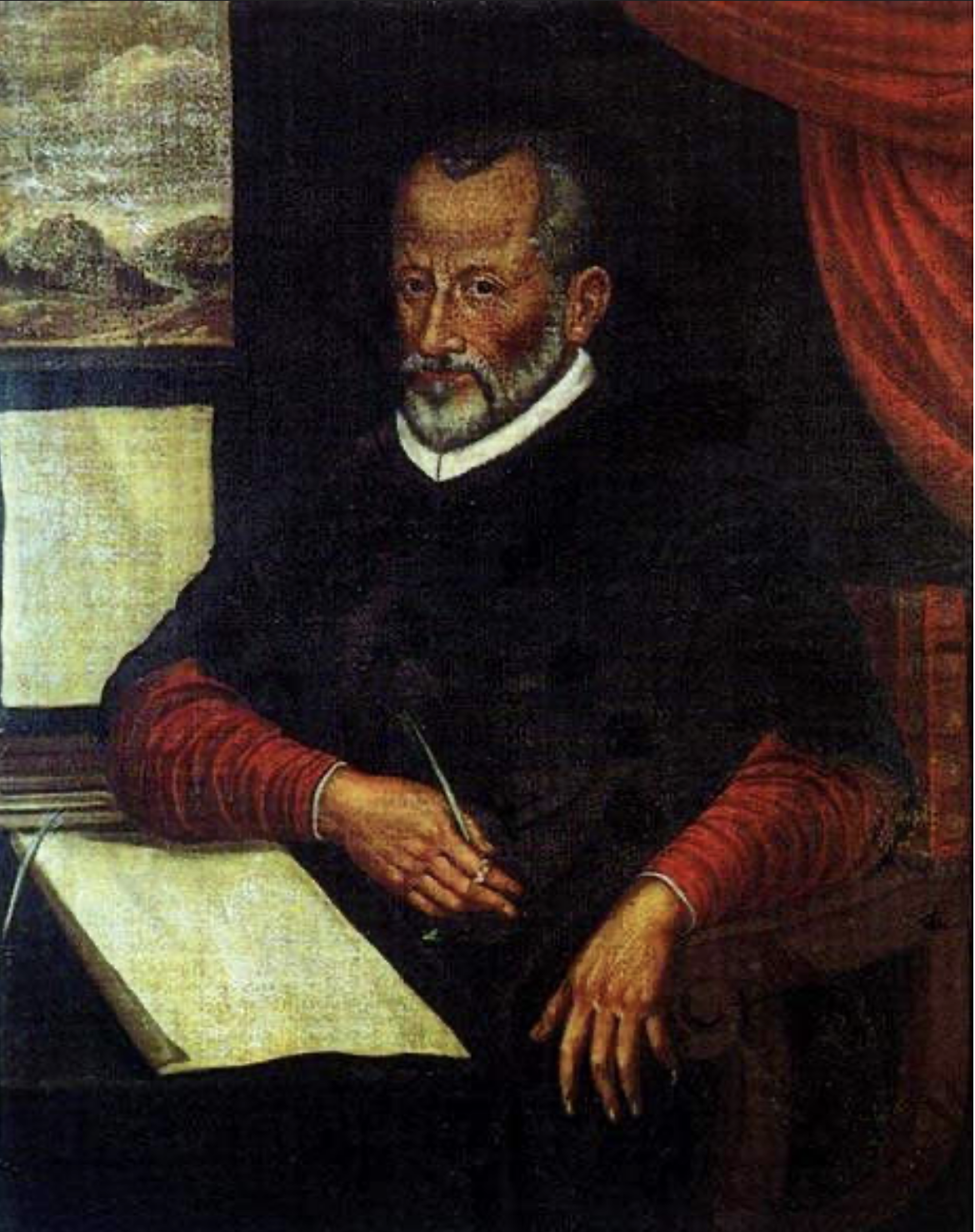
A Portrait of Composer of Sicut cervis, Giovanni Pierluigi da Palestina (1526-1594), whose treatment of Psalm 42 is legendary.
This week we read only from the Psalms, so let’s dig a little deeper into Psalm 42, which is a favorite of many.
There is much said in the bible about skilled musicians with their trumpets, lyres, harps, and other instruments, but it’s the human voice that makes the biggest musical impressions in God’s Word. The book of Psalms, essentially the nation of Israel’s songbook, is the largest book in the bible, and even though none of the original melodies have survived, now every modern generation gets an opportunity to bring new harmonic perspective to his unchanging word.
Lately in pop culture we have had a lot of modern worship artists offer treatments of Psalm 42, which offers rich words and images, deep emotion, and unshakable faith. Check out these:
“As the Deer” by Shane and Shane
City Alight - Psalm 42 (I Will Praise Him Again)
Keith and Kristyn Getty - Lord From Sorrows Deep I Call (Psalm 42)
When God inspires such a diverse group of people to tackle a similar scripture, I believe that the Holy Spirit is guiding us to rely on these passages, and use them to help us in the world.
Psalm 42 really brings the faithful together in these difficult days, but now let’s go back 450 years to a very different situation, and listen to one of the benchmark tone poems of the high renaissance, a motet by the Italian composer Giovanni Pierluigi da Palestrina that has truly withstood the test of time. The composer wrote six books of motets and dozens of madrigals during his lifetime, and his genius version of Psalm 42:1-3 was published posthumously in 1604. Sicut Cervis (Latin for “as the deer”) is still often used in Catholic liturgy, either as an Easter vigil or to celebrate at baptisms. Below is a video of the Choir of the Basilica doing it at a rehearsal in the National Shrine. I am a big fan of this medium-large choir with its 24 superb voices,. This size group adds weight to the beautiful controlled tonal dissonances in the piece, while bringing both sensitivity and momentum to every independent line. Special kudos to the sopranos in this chorus, who control phrasing very well in their upper registers, and do not distract from the tone poetry.
If you’d rather hear a more intimate version of this piece, I would suggest one of the 8-12 voice versions listed below:
Thanks for following me down this rabbit hole (or should I say, “deer trail”).
In this coming week we will read more amazing Psalms filled with faith, victory, and praise that has been reflected in worship for over 2500 years, with written melodies going back 1000 years, and sund recordings during the last 100 years or so.. At the end of next week we return to the book of Isaiah, and hopefully the songs we’ve sung here in midyear have given us the spiritual fortitude to endure what happens next in God’s beautiful love story to his people. Keep reading!