
Year in the Bible Week 8
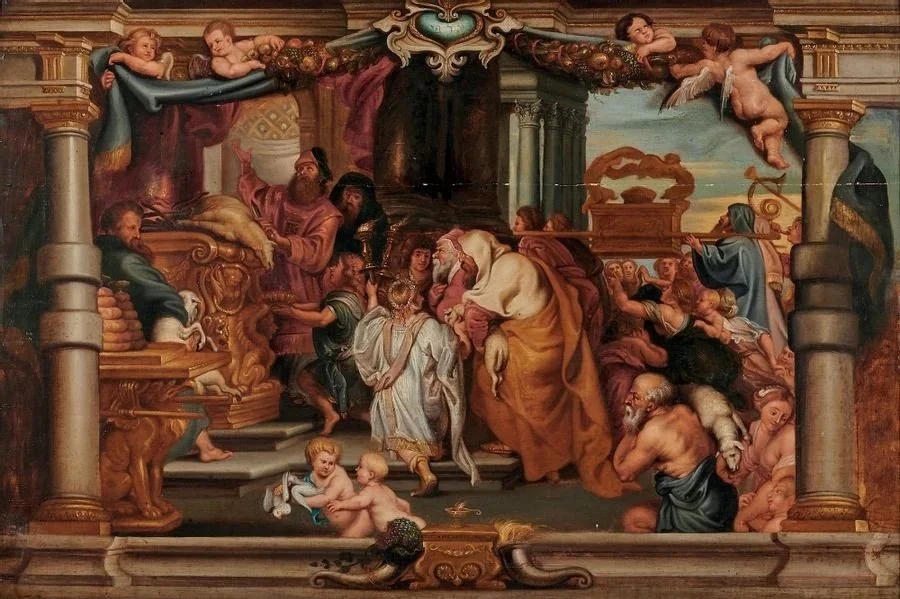
The Sacrifice of the Old Covenant by Peter Paul Rubens, 1626
Well, we are knee-deep in Leviticus now, reading passage after passage about very specific rules surrounding sacrifices and cleanliness. These laws for living helped God’s people become healthy and disciplined, instead of descending quickly into chaos in the wilderness. Under the very specific rules of a covenant relationship with the God of the Unverse, the Israelites would be united, strengthened, and protected.
We can struggle to figure out how this (often tedious) discussion of the clean and unclean applies for all time, since “All Scripture is God-breathed and is useful for teaching, rebuking, correcting and training in righteousness,” (2 Timothy 3:16). Maybe this book will be more relatable after you see the Bible Project video breakdown of it:
Again, the types of offerings in Leviticus 1–7.
Burnt Offering (Olah): A voluntary offering entirely consumed by fire, signifying total devotion.
Grain Offering (Minchah): An offering of flour, oil, and salt, often accompanying other sacrifices.
Peace/Fellowship Offering (Shelamim): A shared meal between God, the priest, and the offerer.
Sin Offering (Chattat): Specifically for atonement of unintentional sins.
Guilt/Reparation Offering (Asham): For offenses requiring restitution.
With all the people offering these sacrifices, you can be sure that the tabernacle was a busy place!
Next week we continue with clean and unclean people and bodily discharges. As Christy and I were discussing today’s reading, she remarked about the unfairness of the extra days of uncleanness after the birth of a girl versus a boy. That’s one of many mysteries we can’t sort out, but feel free to weigh in on anything you’ve heard or learned about this mystery. Soon we will be done with Leviticus, and then we move on to Numbers and Deuteronomy. I love Deuteronomy because is like a “greatest hits” of the the ways God has provided for his people, and we will finish the book right before Holy Week. Perfect!
In the last week of March we will celebrate finishing the complete Pentateuch (or Torah), so let’s meet to celebrate! Since we are spread around the country the meetup will likely be a mix of real-world and online togetherness, so I’d love to hear your ideas about how to make it great. Please text, email or call and tell me how you’d like to do it. Thanks!